How Athletes Build Their Race Calendar Today
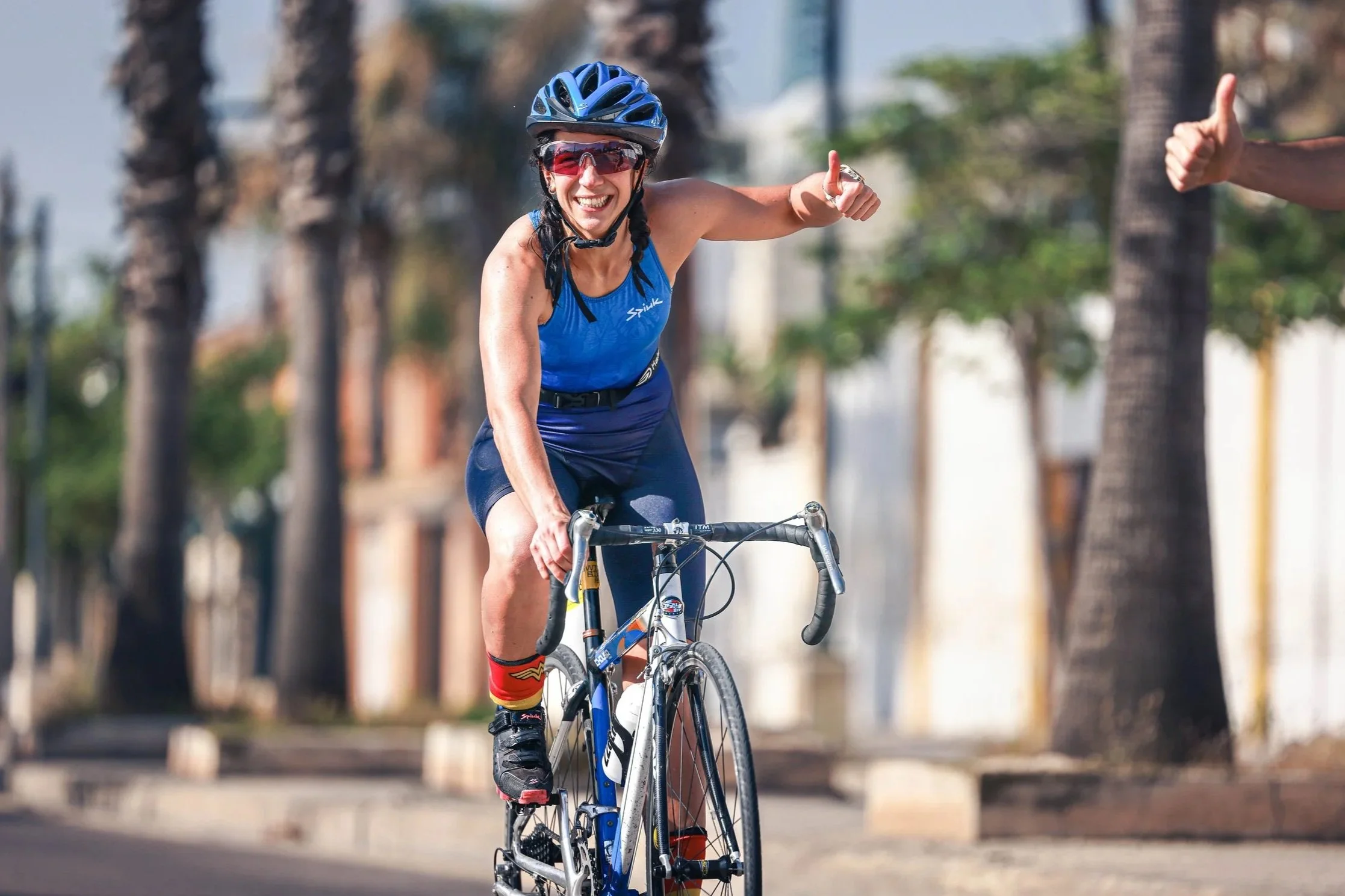
Athletes are racing more frequently than ever, but participation alone no longer defines the market. What matters now is selection.
To better understand how endurance athletes approach this process, we surveyed 1,000+ participants across the global endurance community. The responses point to a clear shift.
Races are chosen as part of a broader annual plan, where athletes compare options, consider travel and prioritise the events that offer the most value. The increase in available races, combined with a more experienced and engaged audience, has changed how decisions are made.
As a result, races are no longer competing with inactivity, but with each other. Each event must earn its place within a limited and carefully planned calendar
Racing Is a Pattern, Not an Occasion
For many endurance athletes, racing is no longer tied to a single goal or moment. It is part of a recurring cycle.
Athletes build their year around multiple events, often planning months in advance. Training, travel and race selection are connected, forming a structure rather than a series of isolated decisions.
Most athletes now participate in multiple races each year, with many completing between three and ten events annually.
This shift changes how races are evaluated. Being available is no longer enough. The question is how an event fits into an already structured calendar.
Travel and Investment Go Hand in Hand
Geography has become less of a limitation.
Race tourism is a clear part of the endurance landscape, with around two thirds of athletes travelling internationally for races at least occasionally.
This also reflects a broader level of commitment. Athletes are investing both time and resources into racing, from travel and accommodation to entry fees and preparation. Most spend between €500 and €1,500 per year, while a notable segment spends more than €3,000 annually.
Races are therefore not assessed purely on course or distance, but on the overall experience. Location, atmosphere and the surrounding environment all influence the decision.
This positions races as more than events. They become destinations.
Discovery Has Become a Process
The path to choosing a race is no longer linear.
Athletes move between platforms, search, social channels and recommendations as they evaluate their options. Discovery happens across multiple touchpoints, often over time.
Race discovery platforms, search engines, social media and recommendations from friends and family all play a role in how athletes find new races.
What remains consistent is intent. Athletes are actively looking, comparing and filtering before making a decision.
Visibility is therefore not a single action, but an ongoing presence.
A More Competitive but Expanding Calendar
The increase in races, combined with higher participation frequency, has created a more dynamic environment.
Each athlete has a limited number of opportunities within a year, but overall demand continues to grow.
At the same time, availability is not always guaranteed. Around 80% of athletes report having missed out on races due to limited entry capacity and fast sellouts.
This adds another dimension to selection.
It is no longer only about choosing the right race, but also about securing a place in it.
Races that are clearly positioned, easy to understand and visible at the right moments are more likely to stand out.
What This Means for Race Organisers
The fundamentals of organising a race remain the same, but the context has evolved.
Athletes are engaged, active and willing to invest. At the same time, they are more selective and more informed.
They plan ahead, compare options and increasingly look beyond their local market.
This places greater importance on how a race is presented, positioned and communicated.
Clarity becomes essential. So does relevance.
Because in a structured and growing calendar, being considered is no longer automatic.
It is something that needs to be earned.
Understanding how athletes build their race calendar is becoming increasingly important.
As participation continues to grow, the races that stand out will be those that align clearly with what athletes are looking for and position themselves accordingly.
