2025: A Year of Progress, Partnerships, and Platform Growth
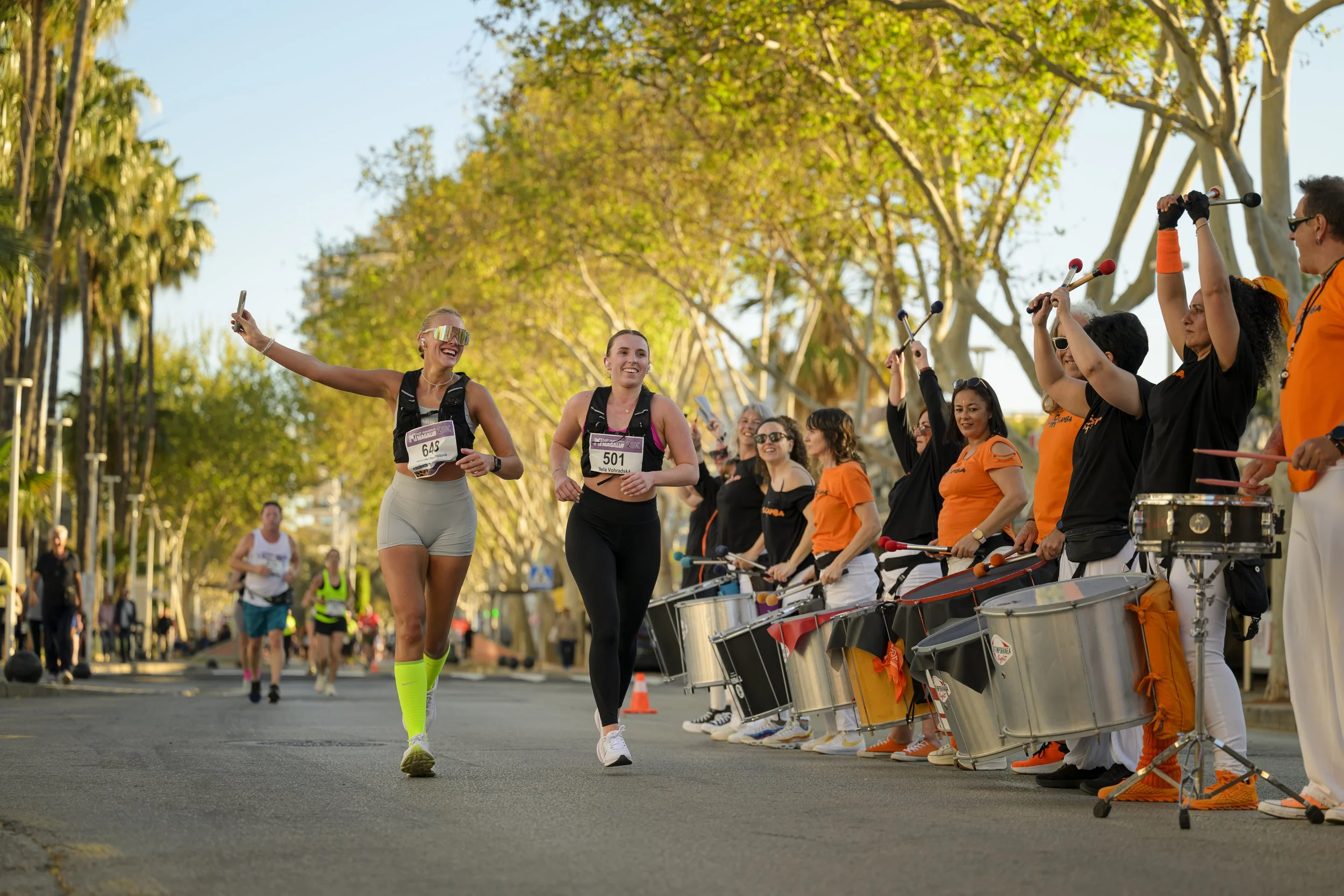
2025 was a year defined by progress and meaningful milestones for Worlds Sports Group. Across partnerships, platform development, and industry engagement, we continued to strengthen our role within the global endurance ecosystem – supporting organizers, scaling major events, and responding to evolving athlete demand.
Throughout the year, we worked closely with some of the world’s most established endurance events. Major city races such as the Seoul Marathon, Run Rome the Marathon, and adidas Stockholm Marathon remained central highlights, reinforcing our position as a trusted partner for large-scale international events with global audiences.
Alongside these, we also supported a diverse range of endurance formats and destinations, including IRONMAN events in Mexico, Challenge Family races across Spain, Poland, and the UAE, as well as key regional and city races such as the Madrid 15K, Castellón Half Marathon, Malmö Marathon, Gdańsk Marathon, Bologna Marathon, and the Lisbon Eco Marathon. Together, these events reflect the breadth of the endurance landscape in 2025 – from iconic city marathons to multisport and sustainability-driven formats.
A particularly important milestone this year was the expansion of our collaboration with Abbott World Marathon Majors events, with the addition of the TCS Sydney Marathon and the Bank of America Chicago Marathon. These partnerships further expanded our global footprint and strengthened our alignment with the world’s most recognised endurance races.
Beyond events, we remained actively engaged with the wider endurance industry. We participated in MPW25 in Vietnam and the Running Industry Alliance conference in the UK, using these forums to build relationships, exchange insights, and stay closely connected to the challenges and opportunities facing race organizers today.
From a technology perspective, 2025 saw continued investment in platform capabilities. New integrations with njuko, Eventrac, and mika:timing expanded technical flexibility and improved operational support for a wide range of race formats, helping organizers connect their events more efficiently to a global audience.
Market & Demand Insights from 2025
Runner interest in 2025 continued to be driven by iconic city races and trusted destinations. Search behaviour was led by events such as the Seoul Marathon, EDP Lisbon Marathon, Rome Marathon, Bangkok Marathon, and Málaga Marathon, underlining the role these races play in inspiration and early planning.
Distance preferences remained stable, with half marathons, marathons, and 10Ks continuing to dominate interest. The half marathon remains the most in-demand distance overall. Searches related to “half marathons in Europe” stayed strong, while interest in trail running increased by 7.05% compared to 2024, signalling growing appetite for experiential formats beyond traditional road racing.
From a geographic perspective, the US, France, and the UK remain core demand markets. At the same time, India, Brazil, and Japan continue to emerge as important growth markets, showing increasing engagement and long-term potential for international events.
Running remains the dominant sports category overall, and Spain, Italy, and Sweden stand out as the most attractive event locations in 2025. Aspirational “bucket-list” races such as the Lisbon Marathon, Málaga, and the Garda Trentino Half Marathon continue to drive long-term discovery and engagement.
Broader Endurance Trends
Broader endurance trends in 2025 point to meaningful shifts in runner behaviour. Women’s running culture continues to gain momentum, with initiatives such as the Stockholm Half Marathon’s 50/50 project driving record participation. Registrations through our platform reflect this trend, with higher participation from women than men for these events.
Running is also becoming more community-driven and less competition-focused. More people are starting at younger ages, and inclusivity, including shorter and more accessible race distances – is playing an increasingly important role in event design.
Trail running remains one of the fastest-growing segments, showing a 12% year-over-year increase, aligning with insights from both the Global Running Report and the Trail Running Report.
Demand for major races is accelerating, with events such as the adidas Stockholm Marathon, Vienna City Marathon, GENERALI Málaga Marathon, ORLEN Prague Marathon, Danang International Marathon, and Chiang Mai Marathon selling out earlier than ever. The Vienna City Marathon, for example, reached capacity eight months before race day, highlighting the growing importance of nearby and alternative events for runners.
Looking Ahead
As we move into 2026, the endurance landscape continues to evolve – shaped by changing runner expectations, growing global participation, and an expanding mix of formats and destinations. At Worlds Sports Group, our focus remains on supporting organizers with insight, technology, and reach, while helping athletes discover events that inspire them to take part.
We’re grateful to the organizers, partners, and industry peers who collaborated with us throughout 2025 and contributed to a year of meaningful progress. We look forward to building on this momentum, deepening our partnerships, and continuing to support the events and communities that drive the global endurance ecosystem forward.
